

We recently sat down with Dan Freed, founder and CEO of Thesis and the creator of Stasis, the first supplement system designed for people who take stimulants. Freed was diagnosed with ADHD at six, was kicked out of preschool, and dropped out of high school at sixteen. He later scored in the 99th percentile on the GMAT, earned an MBA at INSEAD, and completed a Master of Advanced Management at Yale. He has taken prescribed stimulants for much of his adult life. We asked him about Stasis, and the question Driven Metrics puts to every client: are you tracking the number that matters, or the number that’s easy to report?
Start with the basics. What is Stasis?
Stasis is a precision-formulated supplement system designed to complement stimulant use. If you take Adderall, Vyvanse, Ritalin, or Concerta, it was built for you specifically. We have two adult formulas, Daytime and Nighttime, because what your body is doing at 9am on a stimulant and what it’s doing at 11pm are not the same. Millions of people take these every day, and the supplement aisle acted for years like that group did not exist.
Why did you build it?
I built it for myself first. I stopped taking stimulants as a teenager because I didn’t like who I became on them. I got irritable, my sleep fell apart, and I carried a low hum of tension all day. So I went more than ten years without them, through the GMAT, INSEAD, and Yale, using nootropics instead. I only started again when we began formulating Stasis, because I wasn’t going to ship something I wouldn’t take myself.
When I reflect on my childhood, the line I keep coming back to is that intelligence was never the issue: brain chemistry was. Your limitations usually aren’t intelligence, but the availability of neurotransmitters.
How is Stasis built, and how do you know it works?
It’s built around three pathways: dopamine, cortisol, and oxidative stress. Those are the three systems a stimulant moves, so those are the three we address. Every ingredient is named on the label at its dose, with no proprietary blends, and every batch is third-party tested – you can check our work.
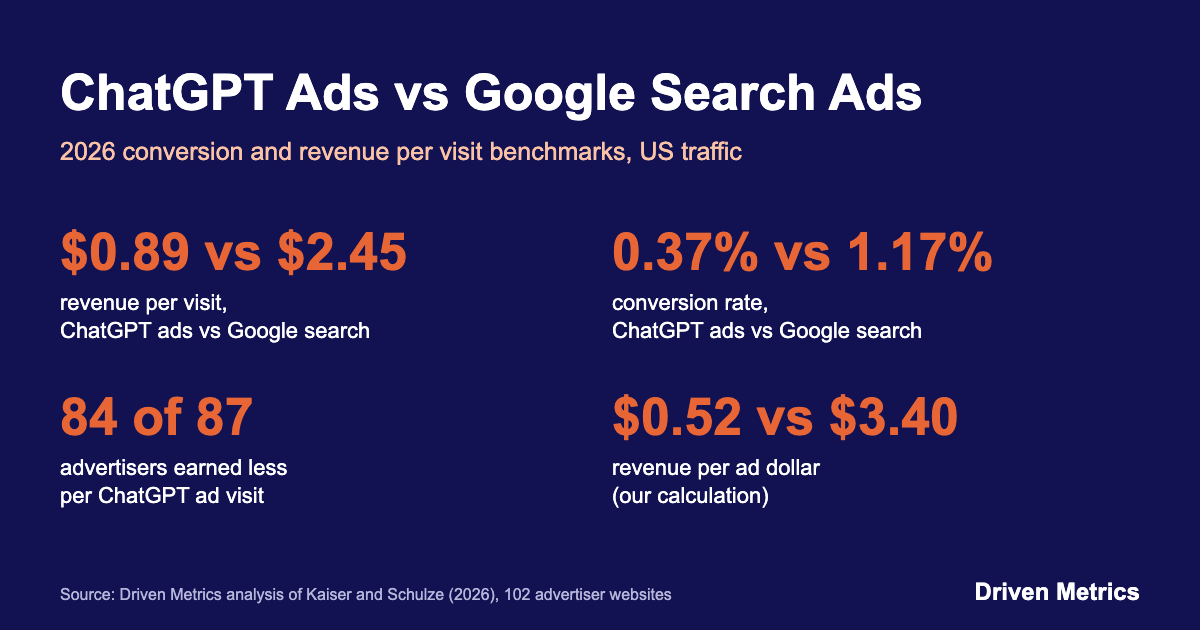
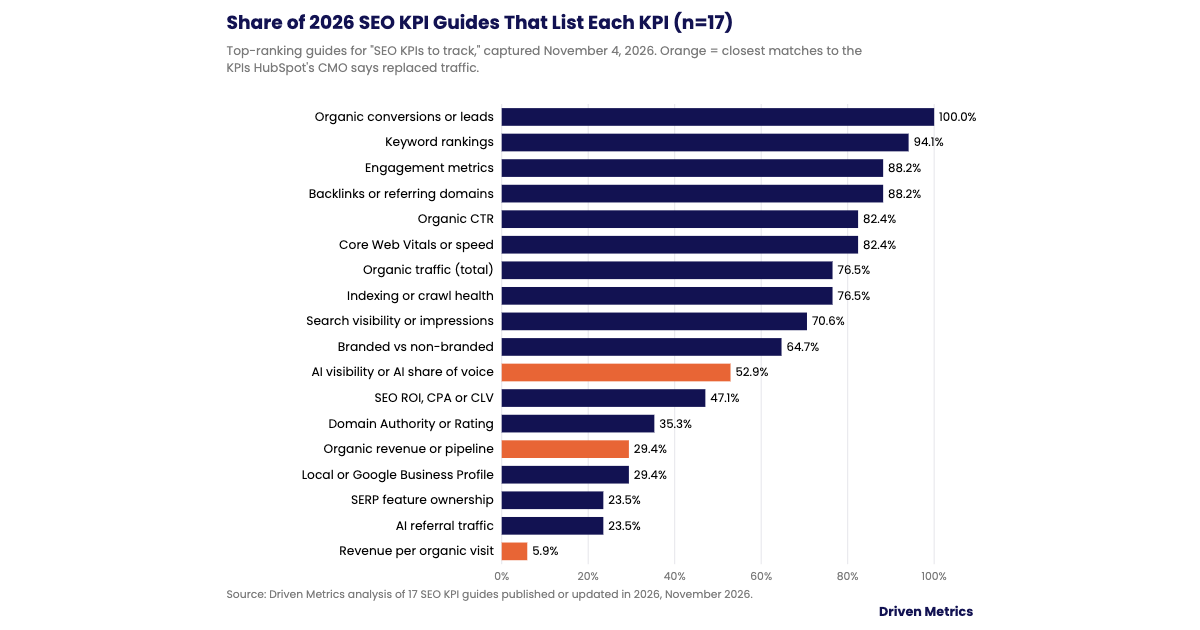
Driven Metrics tells clients that winning is less about traffic and more about qualified leads. Does that argument land with you?
I’ve been having a similar argument with the supplement industry for a decade now. Traffic is the easy number. It goes up, everyone feels good, and nobody asks what it produced. A supplement label works the same way. A long ingredient list and a proprietary blend look impressive and tell you nothing about dose. Both are built for the report instead of the result.
I read that your firm was founded by a former competitive athlete, and that tracks. Athletes learn early on that the number on the whiteboard is not the point: race day is. The through line is the same: name the outcome first, then work backward to what earns it. We formulate in that direction too.
Last one. Both of us are asking people to trust work that takes months to see results. How do you sell that?
You tell the truth about the timeline up front. An SEO firm that promises movement in three weeks is teaching a client to fire them in month four. I have the same problem in supplements, where the whole category runs on next-day promises. Brains are built to change, but they change on their own schedule, not on the same day (or week) you make a shift in routine. The people who are good at our jobs are the ones who can keep the forward momentum going while the graph is still flat.
Learn more about Stasis at takestasis.com.